
Behind its membership milestones and leadership appointments, the Professional Travel Agents and Hotels Association operates under a specific legal framework — as a Section 8 not-for-profit company under India’s Companies Act — a structure that shapes how the organisation can operate and use its funds.
Section 8 companies in India are formed for purposes such as promoting commerce, art, science, education, research, social welfare or similar objectives, and are legally required to apply any profits or income toward those stated objectives rather than distribute them to members as dividends. PTAHA describes its objective as strengthening India’s travel, tourism and hospitality ecosystem through a professional and collaborative membership platform.
Why the Structure Matters for Members
For prospective members, an association’s Section 8 status signals that it is structured as a non-commercial professional body rather than a private for-profit venture, though it does not by itself guarantee governance quality, financial transparency or the delivery of stated member benefits — factors that depend on how the organisation is actually run rather than its registration type alone, trade-law observers note.
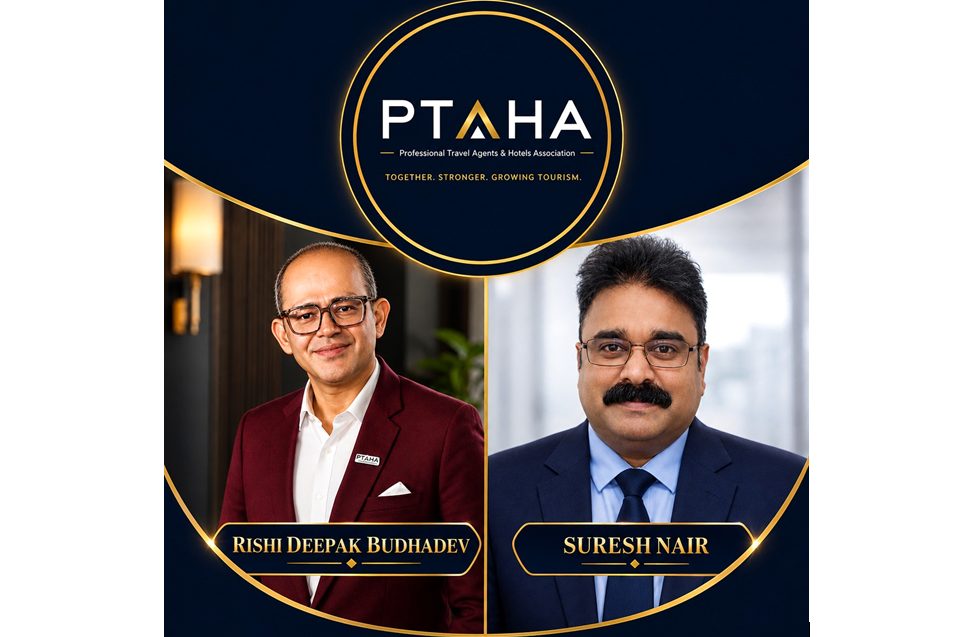
PTAHA has named Rishi Deepak Budhadev as National President and Suresh Nair as Acting Vice President to lead the organisation, a leadership structure the association says will oversee its expansion into regional chapters and its relationships with tourism boards, hotels and other stakeholders.
Governance as the Organisation Scales
As PTAHA grows from its reported 100-plus initial members toward a larger national base, trade-association specialists say governance structures — board composition, financial reporting, member grievance mechanisms — typically become more important than they are for a small founding membership. The association has not yet published detailed governance documentation, bylaws or financial disclosures publicly, which is not unusual for an organisation in its first month of operation but is an area new members may wish to monitor as PTAHA matures.
PTAHA’s organisational framework is designed, according to the association, to support its stated goal of building “a strong leadership structure capable of supporting the association’s growing membership and expanding responsibilities.”
Frequently Asked Questions
What is a Section 8 company in India?
It is a type of not-for-profit company registered under India’s Companies Act for purposes such as trade promotion, education or social welfare, required to reinvest any surplus into its stated objectives rather than distribute it to members.
Has PTAHA published its governance documents or financial disclosures?
Not yet publicly, as of its August 2026 announcement — a common state of affairs for an organisation in its first month of operation.
Visit- www.ptaha.org.in