Maharashtra has imposed a 10% water cut from October 16.
The reason is a deficient monsoon.
The order covers cities, towns and villages.
Drinking water has the highest priority.
Drought has been declared in 265 talukas.
Drinking water has been given the highest priority in the plan.
The state will also keep an additional 10% emergency buffer in every dam to ensure that reserves last through the dry months.
Local bodies must enforce the cut strictly and carry out leak-detection drives to reduce losses in supply networks.
Sewage treatment plants are to run at maximum capacity, and treated wastewater is to be used for gardening, construction and cleaning.
Industries have been asked to recycle or reuse at least 30% of the water they consume.
Irrigation ranks below drinking water, livestock and fodder in the order of priority, and among crops rabi foodgrains get priority.
Farmers have been encouraged to adopt water-efficient irrigation techniques.
The state government has also asked industries, farmers and citizens to conserve water.
Maharashtra has 358 talukas, so the 265 drought-declared talukas make up roughly three-quarters of the total.
Business Standard, Oneindia, Madhyamam and The Daily Jagran reported the October 16 start date and the 10% minimum.
A 10% cut means that each supplier must deliver at least a tenth less water than it did before the order took effect.
El Nino is a periodic warming of the central Pacific Ocean that is often linked with weaker monsoon rainfall in India.
The Maharashtra government has directed a minimum 10% water cut from October 16, 2026, after a deficient monsoon.
The direction covers all municipal corporations, municipalities and gram panchayats in the state.
Water Resources Minister Girish Mahajan attributed the decision to inadequate rainfall and the continuing effects of El Nino, according to Oneindia.
Mahajan voiced concern that El Nino may persist into 2027, which is why the state is planning ahead, according to the same report.
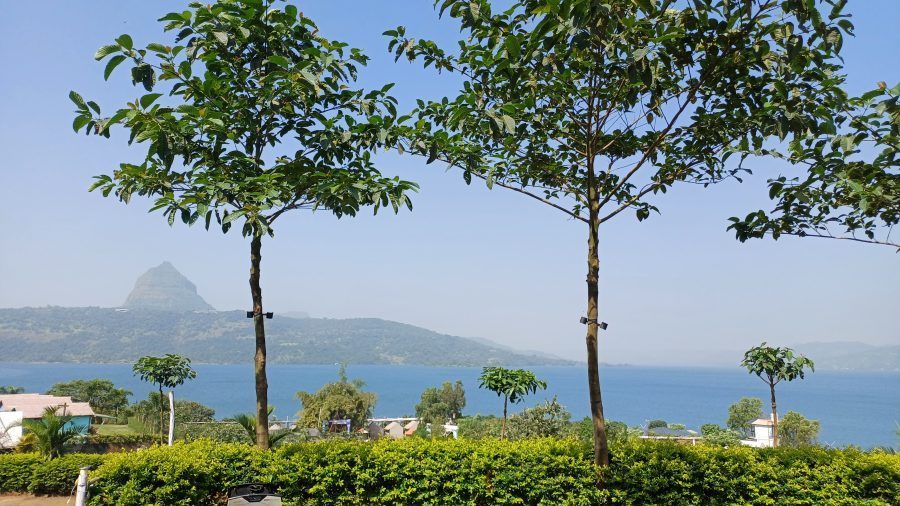
Pavana Lake backwaters, Maharashtra (representative image), Wikimedia Commons, CC BY 4.0