A magnitude 2.9 earthquake hit Delhi’s North district in the early hours of Sunday, August 2, 2026, according to the National Center for Seismology.
The tremor was recorded at 4:14 am IST, with its epicenter at 28.721 degrees North and 76.957 degrees East, at a depth of 8 kilometres.
Several residents reported feeling the shaking and briefly left their homes, though no injuries or damage to property have been reported.
The National Center for Seismology confirmed the earthquake’s magnitude, time, depth and epicenter through its official monitoring systems shortly afterward.
Delhi-NCR falls within Seismic Zone-4, a classification that reflects the region’s exposure to periodic mild earthquakes due to active fault lines.
No official advisory was issued following the tremor, consistent with standard practice for low-magnitude quakes causing no structural damage.
Delhi and the wider National Capital Region fall within Seismic Zone-4 on India’s seismic hazard map, a classification that denotes high vulnerability to earthquakes due to active fault lines running beneath the region.
Experts have repeatedly noted that Delhi-NCR experiences periodic mild tremors because of this fault activity, though most such events, including Sunday’s, are too weak to cause structural damage.
Authorities did not issue any advisory or alert following the tremor, consistent with standard practice for earthquakes below magnitude 4 that cause no reported damage.
Delhi has recorded several similar minor tremors in recent years, most of them below magnitude 4, with seismologists attributing the frequency to the Delhi-Haridwar ridge and other fault systems running beneath the National Capital Region.
The National Center for Seismology operates a nationwide network of seismographic stations that continuously monitor ground movement, allowing it to detect and report even minor tremors like Sunday’s within minutes of occurrence.
The National Center for Seismology confirmed the tremor’s parameters shortly after it occurred, as it does for all seismic events detected across the country’s monitoring network.
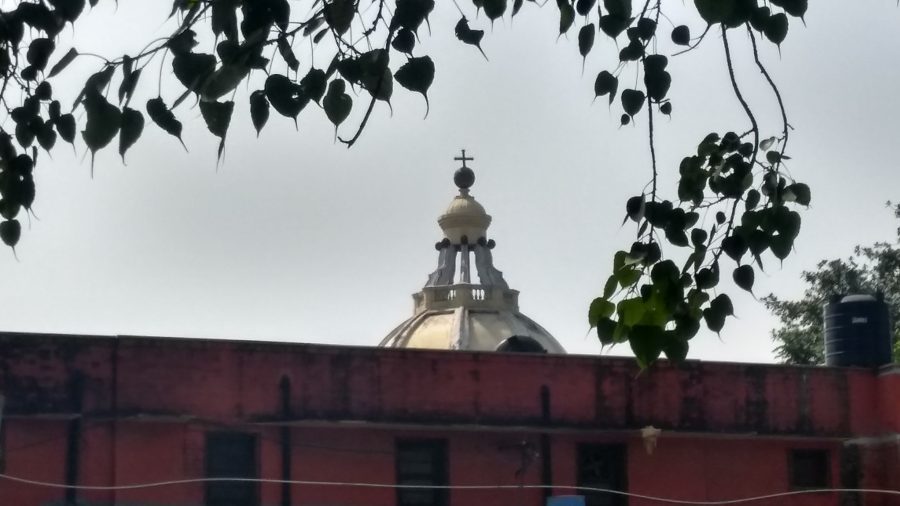
Photo by Frederick Noronha, Wikimedia Commons, CC BY-SA 4.0