
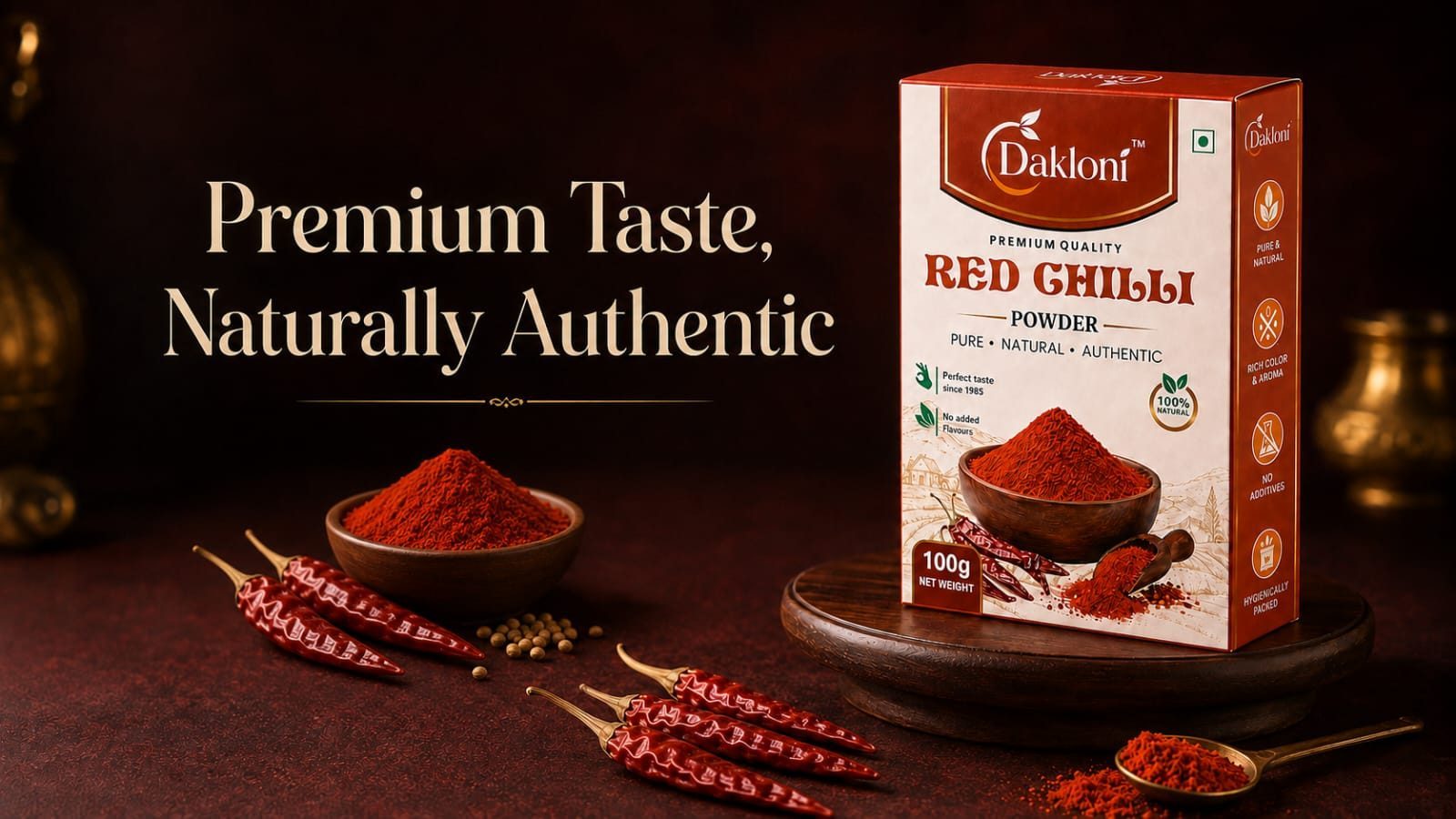
Purity-focused spice and dry-fruits brands like Dakloni Masala typically carry higher price points than mass-market or loose-market alternatives, raising a common question for prospective customers: what exactly justifies paying more for a product category — spices, dry fruits, everyday grocery items — that consumers can also buy considerably cheaper from unbranded or bulk sources.
The Odisha-based brand's value proposition rests primarily on its purity, hygiene and traditional-sourcing claims, rather than on price competitiveness, positioning it within the premium tier of India's packaged-food market alongside other regionally focused D2C brands. Dakloni has not published direct price comparisons against either mass-market branded competitors or unbranded local alternatives, making it difficult for prospective customers to evaluate its pricing without directly comparing product listings themselves.
What Premium Pricing Typically Reflects
Higher prices in the packaged-spice and dry-fruits category can reflect several factors: more selective ingredient sourcing, more rigorous quality-control processes, smaller production runs, and the higher overhead costs of D2C logistics compared to bulk wholesale distribution. Without published, verifiable data on Dakloni's specific sourcing and production costs, consumers are largely left to weigh the brand's purity claims against the price premium based on trust in the company's marketing.
The Trade-Off D2C Brands Ask Consumers to Make
Direct-to-consumer food brands generally ask customers to pay a premium in exchange for perceived quality assurance, traceability and a more curated brand experience than loose-market alternatives typically offer — a value exchange that depends heavily on whether consumers find the brand's purity and hygiene claims credible.
A Category Where Price Transparency Remains Limited
As with several of its other claims, Dakloni's pricing strategy and cost justification remain primarily a matter of brand trust rather than published, independently verifiable data — a limitation common across much of India's premium D2C food sector.
Frequently Asked Questions
Is Dakloni Masala more expensive than other spice brands?
The company has not published direct price comparisons; as a premium-positioned brand, it likely carries higher prices than mass-market or unbranded alternatives, consistent with its purity-focused positioning.
What justifies Dakloni Masala's pricing?
The company points to sourcing, hygiene and quality-control claims as justification for its pricing, though it has not published specific cost or production data to substantiate the premium.
Visit- dakloni.in
Visit- dakloni.com
Facebook- Dakloni Masala
Instagram- @daklonimasala
Disclosure: This article was independently written based on information and documentation supplied by the company.