NALCO’s net profit jumped 88% year-on-year to Rs 2,002.38 crore for the quarter ended June 2026, up from Rs 1,063.86 crore a year earlier, the state-run company announced on Thursday, July 31, 2026.
Revenue from operations rose 39% year-on-year to Rs 5,302.38 crore, aided by favourable global aluminium prices and higher production and sales volumes, particularly in domestic alumina sales.
The company logged its highest-ever first-quarter bauxite excavation at 19.52 lakh tonnes and highest-ever first-quarter calcined alumina production at 5.77 lakh tonnes, with alumina and hydrate sales at 3.47 lakh tonnes.
Chairman Brijendra Pratap Singh said NALCO had ‘commenced FY 2026-27 on a strong note, reflecting the company’s operational resilience and prudent business strategy,’ crediting favourable prices and higher volumes.
The board recommended a final dividend of Re 1 per equity share, amounting to roughly Rs 183.66 crore for FY 2025-26, pending shareholder approval.
NALCO’s Q1 FY27 earnings call is scheduled for August 3 at 10:30 am, when management will discuss the outlook for the rest of the financial year.
The company operates bauxite mines, an alumina refinery and an aluminium smelter across Odisha, making it one of India’s largest integrated aluminium producers and a major public sector undertaking under the Ministry of Mines.
NALCO plans to hold its Q1 FY27 earnings conference call on August 3 at 10:30 am, where management is expected to discuss the outlook for the rest of the financial year.
Global aluminium prices have been on an upswing through the first half of 2026, benefiting integrated producers like NALCO that combine mining, refining and smelting operations under one roof.
NALCO is administered by the Ministry of Mines and remains one of the largest bauxite-alumina-aluminium integrated complexes in Asia, with operations spread across mining, refinery and smelter sites in Odisha.
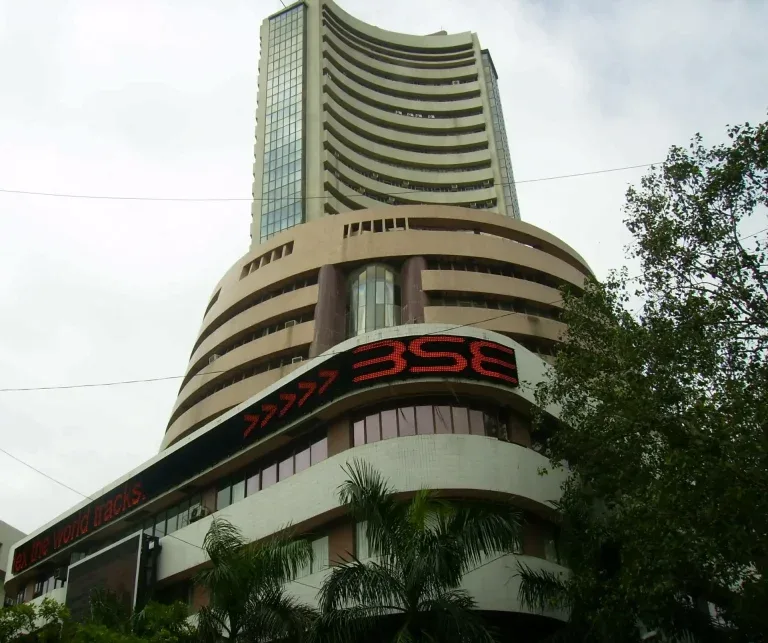
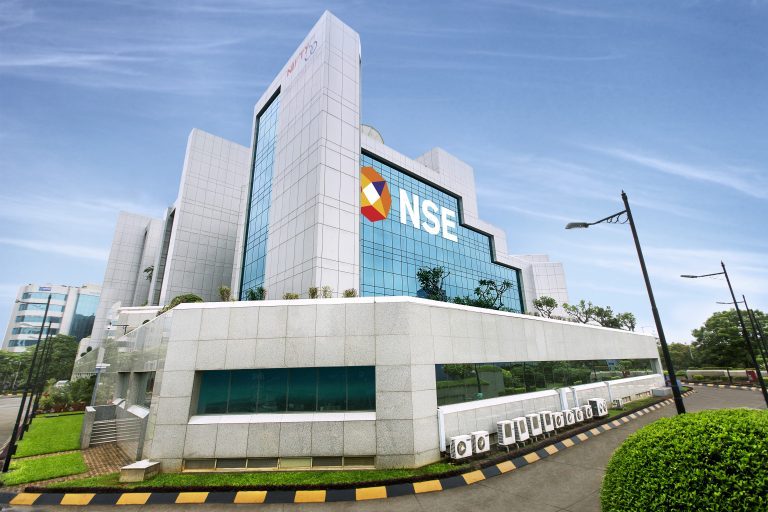
The company’s shares are traded on both the BSE and NSE, and quarterly results such as these are closely tracked by investors in India’s public sector commodity space.
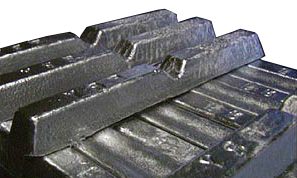
Photo by Lafrance, Wikimedia Commons, CC BY-SA 3.0